
Author Archives: Efraim Palvanov

Is There a Jewish Way to Dress?

In this week’s parasha, Bo, the Israelites are finally freed from their subjugation in Egypt. We read that in their haste to leave, they bound up their unleavened dough in their garments (Exodus 12:34). Intriguingly, the very next verse says that the Israelites took from the Egyptians “silver items, gold items, and garments”. This is significant in light of the famous Midrash that the Israelites merited to be saved because they preserved three things throughout their long enslavement: their cuisine, their language, and their clothing (see Pesikta Zutrata on Ki Tavo, 46a).* In other words, the Israelites preserved their unique Hebrew foods (included in which is observing the mitzvah of not consuming the gid hanashe, which began with Jacob), their divine Hebrew language, and also their unique mode of dress. What was this dress, and how was it different from the garments of the Egyptians?
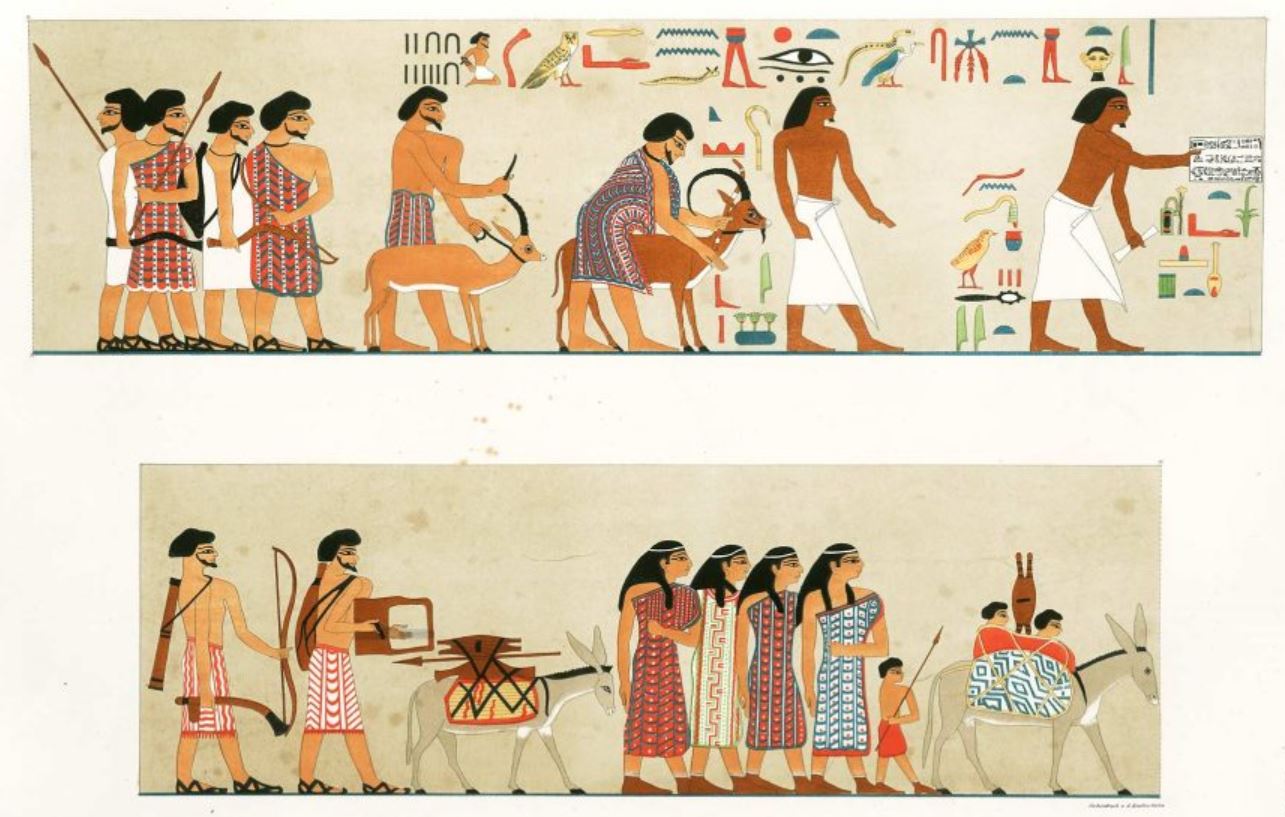
Egyptian tomb paintings at the Beni Hassan archaeological site depicting Semites migrating to Egypt.

Continue reading

On Soulmates & Marriage

Where does the notion of soulmates really come from? Explore the Torah origins and Jewish understanding of soulmates in this class, where we also discuss how Adam and Eve were created, how many soulmates a person might have, and some keys for building a successful marriage.

See also:

Marriage and Prayer: Why They Are the Same, and How to Succeed in Both

How Many Soulmates Do You Have?

The Mystical Meaning of Snow

This week we begin reading Shemot, the Book of Exodus, and are reminded of some of the smaller details which are sometimes forgotten. One of these is when Moses asked God to provide him with signs that he could use to prove to the Israelites that he is really the redeemer (Exodus 4). God gives Moses three signs: the first is Moses’ staff transforming into a serpent, the second is Moses’ hand becoming “leprous like snow”, and the third is turning water into blood.

The first sign we later see expanded in the famous episode where Moses and Aaron go head-to-head with Pharaoh’s magicians and a serpentine battle ensues. The third sign would, of course, become the First Plague. But what of the middle sign? What is the meaning behind Moses’ hand becoming snowy? Even more intriguingly, the word “snow”, sheleg (שלג), actually appears for the very first time in the Torah right here. As a general rule, when a word appears for the first time in the Torah, it is there that we find its true significance. What is the spiritual significance of snow? Continue reading