
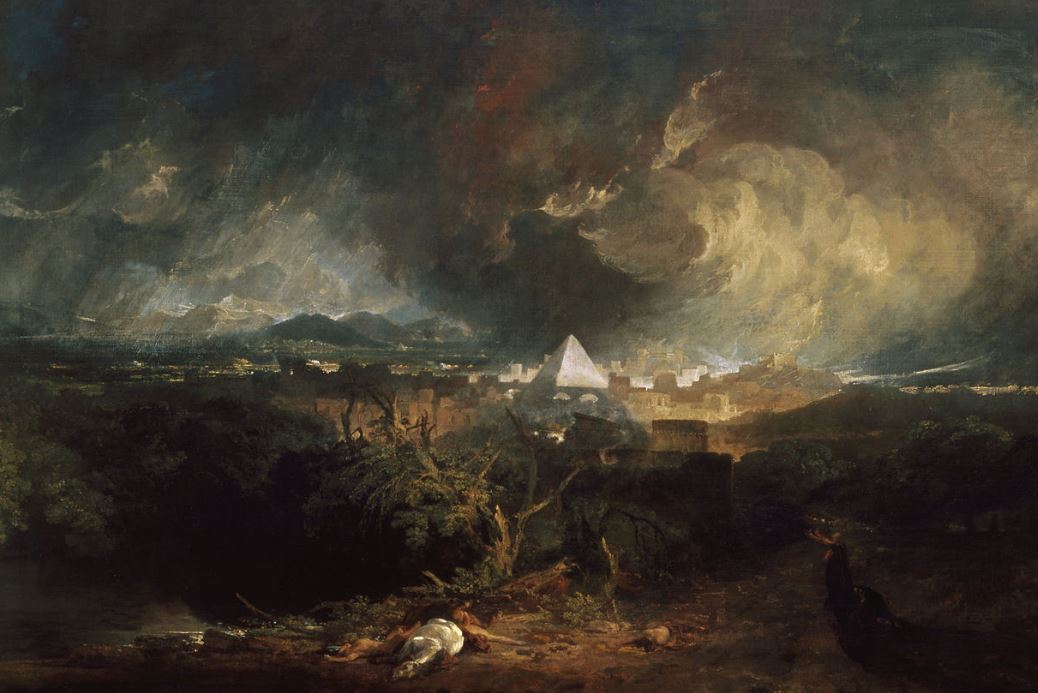
This week’s parasha, Bo, describes the final three plagues that God brought upon Egypt. There is an allusion to this in the very name of the parasha, since the gematria of “Bo” (בא) is 3. It is not a coincidence that the Torah divides the Ten Plagues between two parashas, seven in last week’s and three in Bo. In fact, all things that are “Ten” in the Torah (such as the Ten Utterances of Creation, the Ten Commandments, or the Ten Trials of Abraham) follow the same pattern of 7 and 3. The pattern is based on the Ten Sefirot, where there are three higher mochin, “mental” faculties, above the seven lower middot, “emotional” faculties or character traits. Since the Ten Sefirot permeate all aspects of Creation, this same pattern reveals itself in many places.
The Egyptian Who Prophesied the Exodus
This week’s parasha, Va’era, gets into the heart of the Exodus narrative, starting with the first of the Ten Plagues. These events are so monumental that it is specifically for this part of the Torah, far more than any other, that people always seek some archaeological or historical proof. An impressive amount of such evidence has indeed been found. One particularly important piece of evidence, the Ipuwer Papyrus, incredibly mentions the Nile River turning to blood and Egypt being decimated by pestilence, famine, and even fire from the Heavens. Yet, this text is generally rejected by secular scholars as having anything to do with the Exodus! A proper understanding of the Torah’s events and timeline might reveal that the Ipuwer Papyrus may very well be among the greatest pieces of evidence that we have.
The Forgotten Reason For Fasting on the Tenth of Tevet
Today we mark one of the “minor” fast days of the Jewish calendar: Asarah b’Tevet, the Tenth of Tevet. Technically, in ancient times there were three separate fasts instituted on the eighth, ninth, and tenth days of Tevet. However, because fasting three days in a row is not practical for most people, the three were combined into a single day. None of this is coincidence, of course, and there is a profound connection between the “three” fasts. First, a recap: what does each of these fasts commemorate?

