Tag Archives: Number 138

Do Angels Have Free Will?

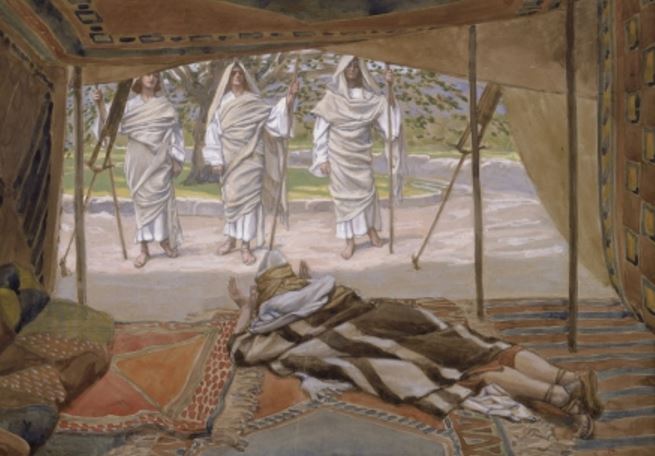
‘Abraham and the Three Angels’ by James Tissot

This week’s parasha, Vayera, begins with Abraham’s famous encounter with three angels (Genesis 18). Abraham gives them water to wash their feet and proceeds to feed them a multi-course meal. There brings up a classic question: did the angels actually eat? Are angels not entirely spiritual beings? How could they have their feet washed, and physically consume Abraham’s food? Are angels biological beings, or not? And, relatedly, do angels have any kind of free will, or are they simply “robotic” agents of God?
Continue reading →

Seven Names or Seven Messiahs?

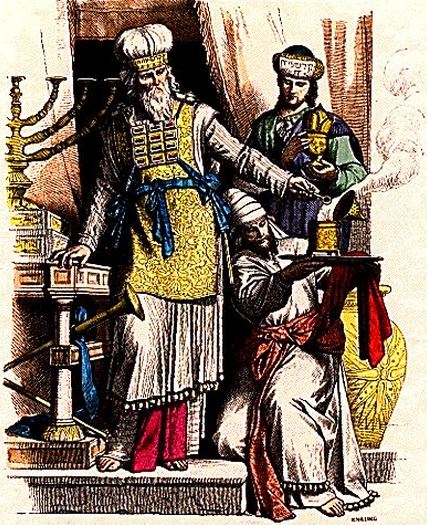
In this week’s parasha, Tzav, we find the interesting term hakohen hamashiach, the “anointed priest”, referring to the kohen gadol, “high priest”. This term appears a total of four times in the Torah; three times in last week’s parasha, and once at the beginning of this week’s parasha. These happen to be the only four instances of the term mashiach anywhere in the Chumash. Superficially, they do not refer to the Messiah, but rather to the high priest. The Chumash itself never explicitly speaks of hamelekh hamashiach, the anointed messianic king of Israel at the End of Days. However, it does allude to a messianic figure here in the parasha, because one of those future figures whose arrival we expect is the Kohen Tzedek, the “righteous priest” who will serve as the first kohen gadol in the rebuilt Jerusalem Temple.

At the start of the Second Temple era, the hope was that Zerubbabel would be Mashiach. Continue reading →

Trump, Iran & the Year of the Horse

What is the spiritual and Biblical significance of the forthcoming Year of the Fire Horse? What does it have to do with current global events involving Donald Trump, Iran, and Israel? What is the true meaning of the ancient prophecy of the Four Horsemen of the Apocalypse? What do the Horsemen represent, and how are these prophecies being realized right before our eyes today? Plus, incredible ancient secrets from the Book of Psalms, and what was the critical year that shaped the world as we know it today?