This week we begin reading the fifth and final book of the Torah, Sefer Devarim. This book has a total of 955 verses, an important number in Judaism. It is said that there are 955 levels to the Heavens (see Ma’aseh Rokeach on Mishnah, Kinnim). This is based on a verse in Devarim where Moses says: “Behold, to Hashem, your God, belong the Heavens [hashamayim], and the Heaven of Heavens [shmei hashamayim], and the Earth and all that is on it!” (Deuteronomy 10:14) The numerical value of “Heavens” (השמים), when counting the full mem sofit, is 955. Meanwhile, the word “behold”, hen (הן), has a value of 55, to teach that the top 55 levels of Heaven are reserved solely for God. (Ma’aseh Rokeach says that the angel Metatron has access to 900 levels, but it is only Hashem beyond that.)
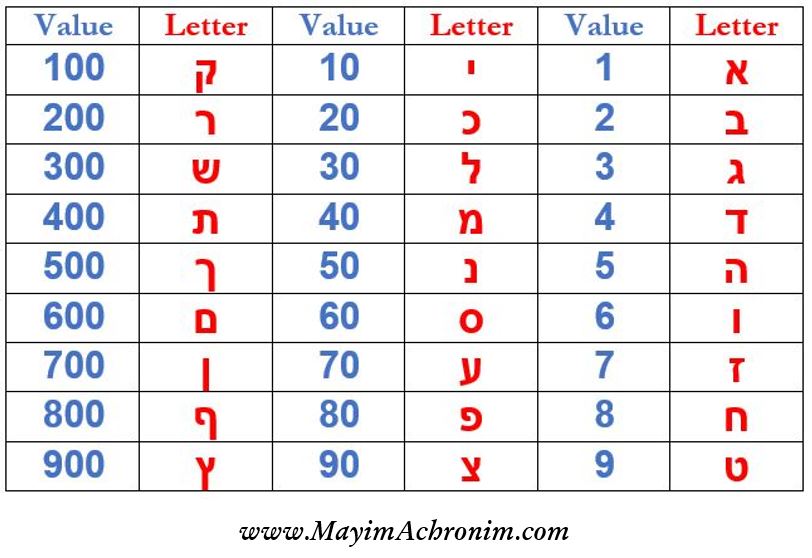
It is most fitting that Devarim has 955 verses, like the levels of Heaven. Indeed, the “Heavens” are a constant motif throughout the final book of the Torah, more so than in any other book. By my count, I found 39 instances of the word shamayim (and its variations) in Sefer Beresheet, 12 in Shemot, none in the next two, and 40 in Devarim. Included in the latter are some of the most critical and famed verses of the Torah, including lo b’shamayim hi, that the Torah “is not in Heaven” (Deuteronomy 30:12) and the Shema passage that we recite multiple times a day saying that God will “stop up the Heavens” if we do not fulfil his commandments (Deuteronomy 11:17), and that He will bless us greatly “like the Heavens” if we do (Deuteronomy 11:21). There’s also Hashem’s promise that He will ingather us back to the Holy Land from the “ends of the Heavens” (Deuteronomy 30:4), and Moses’ final divine song that starts Ha’azinu hashamayim (Deuteronomy 32:1).
Another interesting phenomenon that has been pointed out about Devarim is that its verses seem to allude to the historical years that they would correspond to. We are currently in the Jewish year 5786 AM (Anno Mundi, “year of the world”), and the Torah has a total of 5845 verses. (The Talmud says the Torah should have 5888 verses, and for a solution to that problem, see ‘The Torah’s Missing Verses’ in Garments of Light, Volume Two.) It’s not clear exactly where this concept comes from. Some bring it down in the name of the Vilna Gaon; I believe I first heard it years ago from Rabbi Benjamin Blech.
Before we get into it, it is important to mention that doing this kind of analysis requires lots and lots of counting and a good calculator, along with precision and persistence. I spent hours counting and recounting verses to make sure it’s all lined up correctly. Continue reading →
